
Ever seen a light bulb that resembles an ear of corn? That’s an LED corn light bulb! These new lighting solutions, built with high luminous efficacy in mind, are quickly changing how we light our spaces. They are perfect for large warehouses and small storefronts alike. But what exactly are they, and why should you care? Let’s dive in and explore the world of LED corn light bulbs.
Shining a Light on LED Corn Bulbs: An Introduction
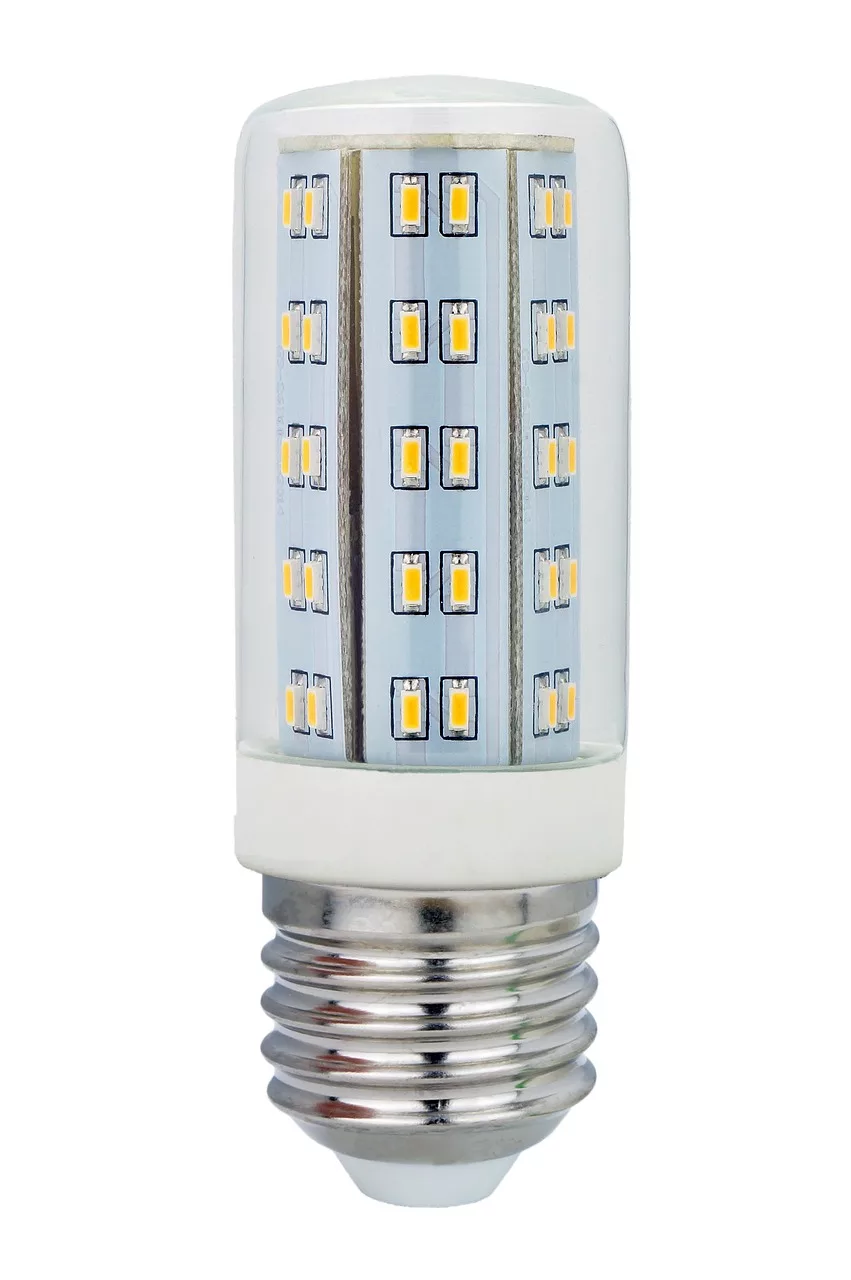 Led Corn Light Bulbs
LED corn light bulbs, also known as corn cob lights, get their name from their unique design. They consist of multiple light-emitting diodes (LEDs) arranged on a central core, resembling kernels on a corn cob. This clever design allows for 360-degree illumination. This makes them ideal replacements for traditional high-intensity discharge (HID) lamps. These include metal halides and high-pressure sodium lamps.
But LED corn bulbs are not just about looks. They pack a punch when it comes to energy efficiency, longevity, and environmental friendliness. So, if you’re looking for a lighting solution that’s both stylish and sustainable, LED corn bulbs might be the perfect fit for your needs.
How Do LED Corn Light Bulbs Work? The Magic of LEDs
At the heart of every LED corn bulb is the magic of light-emitting diodes (LEDs). These tiny semiconductors convert electricity into light. Incandescent bulbs rely on heat-generating filaments. This direct conversion makes LEDs incredibly energy-efficient and long-lasting.
The structure of an LED corn bulb is quite simple yet ingenious. The LEDs are mounted on a metal core, often made of aluminum, which acts as a heat sink. This helps to spread the heat from the LEDs. It keeps them working well and makes them last longer.
The arrangement of LEDs on the core is what gives corn bulbs their characteristic 360-degree illumination. Each LED emits light in a specific direction, and together, they create a bright, uniform light that fills the entire space.
Why Choose LED Corn Light Bulbs? The Benefits Unveiled
LED corn light bulbs have many advantages over traditional lighting. This has made them popular for both commercial and residential use. Here are some of the key benefits:
Energy Efficiency: LED corn bulbs are very energy-efficient. They use up to 70% less energy than traditional HID lamps. This translates to significant cost savings on your electricity bills.
Longevity: Delivering a stable, long lifespan with a certified 50000+ hours service life, LED corn bulbs outlast traditional bulbs by a wide margin. This means fewer replacements and reduced maintenance costs.
Environmental Friendliness: LED corn bulbs are free of harmful substances like mercury. They are a more green option. Their energy efficiency also contributes to a reduced carbon footprint.
Instant Illumination: LED corn bulbs turn on instantly. They provide immediate illumination. This is unlike some traditional bulbs, which require a warm-up period.
High Brightness and Color Rendering: LED corn bulbs are very bright. They have excellent color rendering. This ensures that objects appear in their true colors.
Durability: These bulbs are built to last, with sturdy construction that can withstand vibrations and shocks.
With such a compelling list of advantages, it’s no wonder that LED corn bulbs are gaining popularity in a wide range of applications.
Illuminating the World: Applications of LED Corn Light Bulbs
The versatility of LED corn light bulbs makes them a go-to choice for a wide array of lighting needs. Let’s explore some of the most common applications where these bulbs shine:
Commercial Lighting
In the bustling world of commerce, LED corn bulbs are making a significant impact. They are used more in retail stores. Their bright, even light makes products easier to see. It creates an inviting atmosphere for shoppers. The lights have high lumen output and wide beams. They ensure good illumination for safety and efficiency. They are used in warehouses and parking garages.
Industrial Lighting
The industrial sector is another area where LED corn bulbs are proving their worth. They provide reliable, high-power lighting to retrofit an existing industrial LED light system or LED high bay setup in factories and plants. This bright lighting is key for productivity and safety. They are highly durable, resisting harsh temperatures and vibrations, making them ideal for tough industrial environments.
Outdoor Lighting
LED corn bulbs are also brightening up our streets, parking lots, and other outdoor spaces. They can illuminate at long ranges. They can withstand weather. They are perfect for street and security lighting. They also save energy. They also cut maintenance costs for towns and businesses.
Other Applications
The versatility of LED corn bulbs doesn’t stop there. They are also used in farming to boost plant growth. Also, in sports facilities to light fields and courts. And even in creative uses like stage lighting and art installations.
With their wide range of applications, LED corn bulbs are truly illuminating the world, one space at a time.
Making the Right Choice: A Guide to Selecting LED Corn Light Bulbs
 LED Corn Bulbs with Different Wattages
Choosing the right LED corn light bulb can seem daunting with so many options available. But don’t worry, we’ve got you covered. Here’s a breakdown of the key factors to consider when making your selection:
Wattage and Lumens: The Brightness Equation
Wattage measures the amount of electricity a bulb consumes, while lumens measure the amount of light it produces. In the past, we relied on wattage to gauge brightness, but with LED technology, lumens are the key metric.
To choose the right wattage, consider the size of the space you need to illuminate and the desired brightness level. A general rule of thumb is to use 20-25 lumens per square foot for general lighting in commercial spaces. For task lighting, you may need 30 lumens or more per square foot.
For guidance on calculating lumens per square foot, refer to this guide by Pooky.
Color Temperature: Setting the Mood
Color temperature refers to the warmth or coolness of the light emitted by a bulb. It’s measured in Kelvin (K). Lower Kelvin values (2700K-3000K) produce warm, yellowish light. Higher values (5000K-6500K) produce cool, bluish light.
The ideal color temperature depends on the mood and atmosphere you want to create. For example, people often prefer warm white light in homes and restaurants. But, cool white light is better for offices and retail spaces.
Beam Angle: Directing the Light
Beam angle determines how wide or narrow the light beam is. A wider beam angle (120 degrees or more) is good for general lighting. A narrower beam angle (30-60 degrees) is better for spotlighting or highlighting areas.
Consider the height of the ceiling and the desired lighting pattern when choosing the beam angle. For high ceilings, a wider beam angle is generally preferred to ensure even illumination.
Other Factors to Consider
In addition to wattage, lumens, color temperature, and beam angle, there are a few other factors to consider when choosing LED corn light bulbs:
Dimming Capabilities: If you want to adjust the brightness of your lights, choose dimmable LED corn bulbs.
Color Rendering Index (CRI): This measures how accurately a light source renders colors. A higher CRI (90 or above) is desirable for applications where color accuracy is important, such as retail displays and art galleries.
Certifications: Look for LED corn bulbs that hold certified credentials like UL certification, CE certification, or FCC certification. This ensures that the bulbs meet stringent global safety, electromagnetic, and performance standards.
By carefully considering these factors, you can choose the perfect LED corn light bulbs to meet your specific lighting needs.
Installing and Maintaining Your LED Corn Bulbs: A Breeze
One of the great things about LED corn bulbs is their ease of installation and maintenance. Here’s what you need to know:
Installation Made Easy

Installing an LED corn bulb is usually as simple as screwing it into a standard E26 or E39 base socket. However, if you’re replacing an older HID lamp, you may need to bypass the existing ballast. This involves disconnecting the ballast and rewiring the fixture to connect the bulb directly to the power source. While it may sound intimidating, it’s a relatively straightforward process that can be done by a qualified electrician.
For a detailed guide on bypassing the ballast, refer to our comprehensive guide to light fixture solutions.
Maintenance: Less is More
LED corn bulbs are known for their low maintenance requirements. Unlike traditional bulbs, which require regular upkeep, LED corn bulbs require very little attention. They have a very long lifespan, which minimizes the need for replacements and saves you time and money.
Safety First: Important Considerations
While LED corn bulbs are generally safe, there are some important safety considerations to keep in mind when installing and maintaining them:
Disconnect the power: Before installing or maintaining LED corn bulbs, always turn off the power at the breaker box. This will help prevent electrical shock or other hazards.
Use proper tools and materials: When installing or maintaining LED corn bulbs, use high-quality tools and materials that are rated for electrical work.
Follow safety guidelines: Always follow safety guidelines for electrical installations, especially if you’re doing it yourself.
The Future of LED Corn Light Bulbs: Brighter Days Ahead
The future of LED corn light bulbs is bright. With ongoing advancements in technology and a growing emphasis on sustainability, we can expect to see even more innovative and efficient corn bulbs in the years to come.
Technological Advancements: Pushing the Boundaries
As LED technology continues to evolve, we can expect to see LED corn bulbs with even higher brightness levels and better color rendering. These advancements will make corn bulbs even more versatile and suitable for a wider range of applications.
Sustainability: A Beacon of Hope
With a growing global focus on sustainability, LED corn bulbs are poised to play a key role in reducing energy consumption and carbon emissions. As more and more businesses and cities switch to LED lighting, we can expect to see a significant positive impact on the environment.
Smart Lighting Integration: The Connected Future
The integration of LED corn bulbs into smart lighting systems is another exciting development on the horizon. Smart lighting systems allow centralized control and automation of lighting. This leads to greater energy efficiency and convenience.
Imagine a warehouse. The lights there adjust based on occupancy. Or, a retail store where the lighting changes to create different moods. These are just a few examples of how smart lighting can transform the way we use and experience light. For more on the future of LED technology, see our 2024 ultimate guide to commercial outdoor lighting manufacturers.
In conclusion, the future of LED corn light bulbs is filled with promise. Technology is advancing. Lighting is getting more sustainable and smarter. These versatile lighting solutions are set to play a bigger role in shaping the future of illumination.
For a deeper dive into smart lighting systems, check out this comprehensive guide on TechRadar.
Frequently Asked Questions (FAQs)
Let’s address some common questions about LED corn light bulbs:
Are LED corn bulbs safe?
Yes, LED corn bulbs are safe when used correctly. Choose bulbs with known safety certifications (UL or ETL). Follow the maker’s instructions for how to install and use them.Are LED corn bulbs dimmable?
Some LED corn bulbs are dimmable, while others are not. Check the product specifications to see if a bulb is dimmable before purchasing. Learn more about mastering LED dimming in our guide.Can LED corn bulbs be used outdoors?
Yes, many LED corn bulbs are designed for outdoor use. Look for bulbs with a good IP rating. The rating shows their level of protection against dust and moisture.How do I choose the right wattage for my LED corn bulb?
Consider the size of the space you need to illuminate and the desired brightness level. A general rule of thumb is to use 20-25 lumens per square foot for general lighting in commercial spaces.How long do LED corn bulbs last?
LED corn bulbs typically have a lifespan of 50,000 hours or more, which is significantly longer than traditional bulbs. For more details, refer to our comprehensive guide to LED light lifespan.What is the warranty on LED corn bulbs?
The warranty on LED corn bulbs varies depending on the manufacturer and model. Check the product specifications for warranty information.Where can I buy LED corn bulbs?
You can buy LED corn bulbs at many retailers. These include online stores, home improvement stores, and lighting specialty stores.
I hope this comprehensive guide has shed light on the fascinating world of LED corn light bulbs. If you have any more questions, feel free to ask!